Shipping Routes At Risk Of Piracy At Sea
Somalian piracy, has a significant impact on shipping insurance costs for merchant vessels. Here are some key points outlining this impact:
1. **Increased Risk Assessment**:
The rise in piracy incidents off the coast of Somalia led insurers to reassess the risk associated with shipping routes in the region. The threat of hijacking, ransom demands, and potential loss of cargo prompted underwriters to adjust their risk models.
2. **Higher Premiums**:
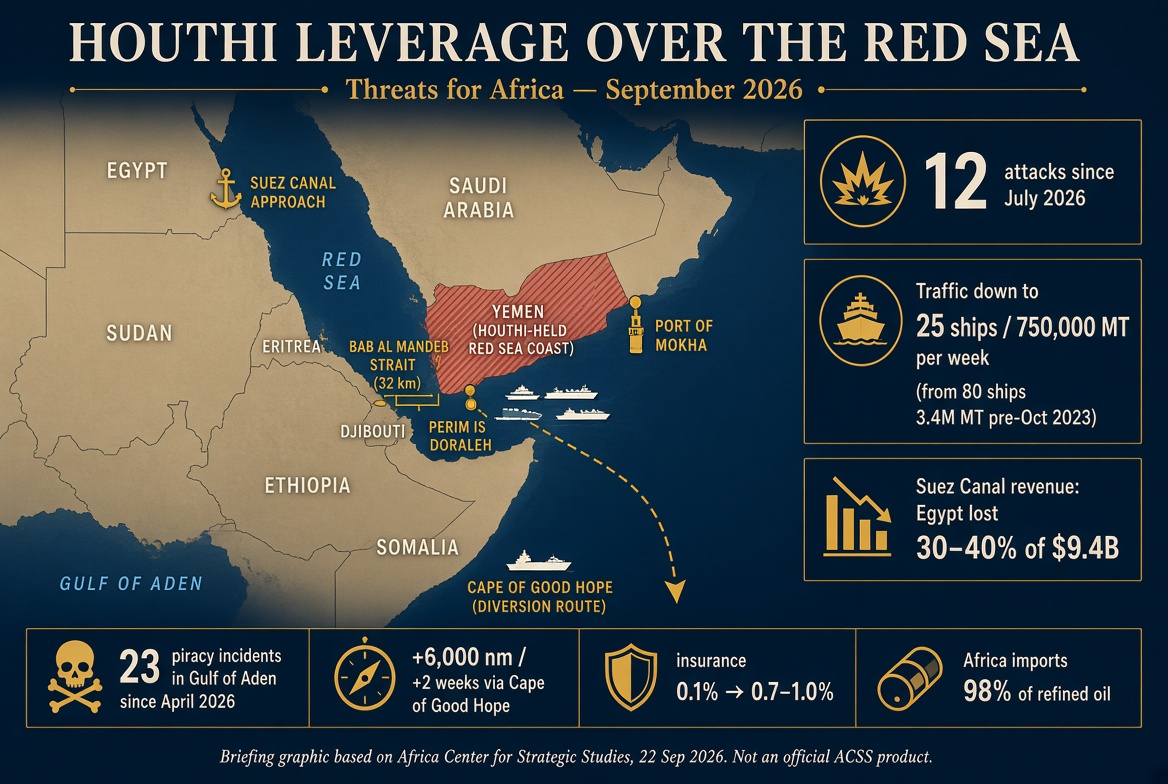
As the perceived risk of operating in piracy-prone waters increased, insurance premiums for shipping companies rose significantly. Insurers began charging higher rates to cover the potential costs associated with piracy incidents, including ransom payments, loss of vessels, and increased security measures.
3. **War Risk Insurance**:
Many shipping companies were required to purchase additional war risk insurance to cover the specific threats posed by piracy. This specialized insurance often came with steep premiums, further increasing overall shipping costs.
4. **Operational Changes**:
3. **War Risk Insurance**:
Many shipping companies were required to purchase additional war risk insurance to cover the specific threats posed by piracy. This specialized insurance often came with steep premiums, further increasing overall shipping costs.
4. **Operational Changes**:
To mitigate risks and potentially lower insurance costs, shipping companies began altering their operational practices. This included rerouting vessels to avoid high-risk areas, implementing onboard security measures (such as hiring armed guards), and increasing the use of convoy systems. These changes often resulted in longer transit times and higher operational costs.
5. **Impact on Trade Routes**:
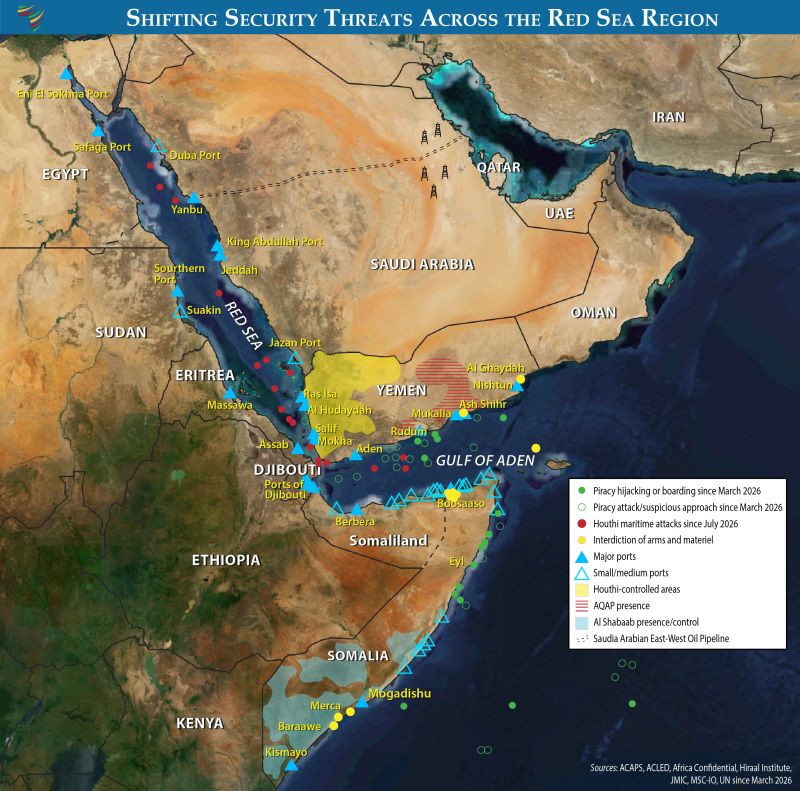
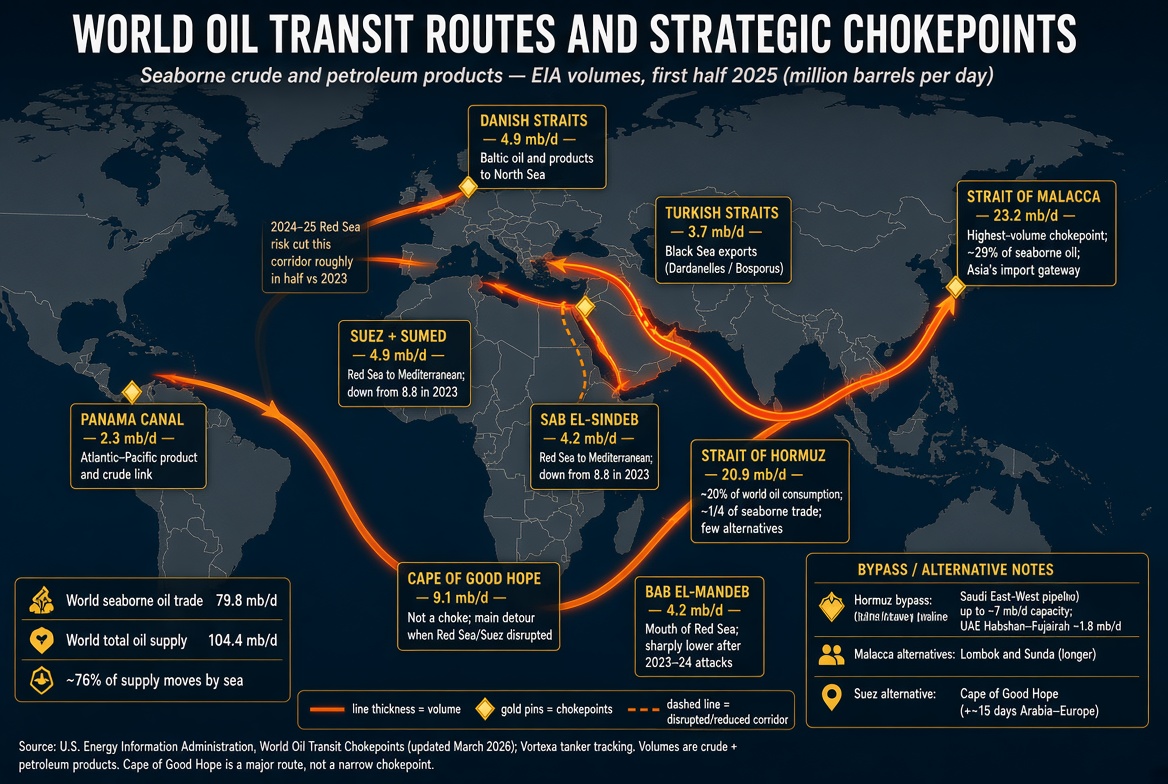
The increased insurance costs and risks associated with piracy affected global trade routes. Some shipping companies opted to avoid the Gulf of Aden and the waters off Somalia altogether, leading to longer and more expensive shipping routes. This had broader implications for international trade and supply chains.
6. **Market Adjustments**:
Over time, as international naval forces increased their presence in the region and piracy incidents began to decline, insurance costs started to stabilise. However, the legacy of high premiums and the need for enhanced security measures remained a concern for many shipping companies.
7. **Long-term Changes in Insurance Practices**:
The piracy crisis led to long-term changes in the shipping insurance industry, including the development of more comprehensive policies that specifically address piracy risks and the establishment of better risk management practices among shipping companies.
In summary, Somalian piracy significantly increased shipping insurance costs for merchant vessels, leading to higher premiums, changes in operational practices, and adjustments in global trade routes. While the situation has improved in recent years, the effects of piracy on the shipping industry continue to be felt.
5. **Impact on Trade Routes**:
The increased insurance costs and risks associated with piracy affected global trade routes. Some shipping companies opted to avoid the Gulf of Aden and the waters off Somalia altogether, leading to longer and more expensive shipping routes. This had broader implications for international trade and supply chains.
6. **Market Adjustments**:
Over time, as international naval forces increased their presence in the region and piracy incidents began to decline, insurance costs started to stabilise. However, the legacy of high premiums and the need for enhanced security measures remained a concern for many shipping companies.
7. **Long-term Changes in Insurance Practices**:
The piracy crisis led to long-term changes in the shipping insurance industry, including the development of more comprehensive policies that specifically address piracy risks and the establishment of better risk management practices among shipping companies.
In summary, Somalian piracy significantly increased shipping insurance costs for merchant vessels, leading to higher premiums, changes in operational practices, and adjustments in global trade routes. While the situation has improved in recent years, the effects of piracy on the shipping industry continue to be felt.